


شما حتی اگر دانشجوی زبان و ادبیات انگلیسی نباشید یا با زبان انگلیسی آشنایی نداشته باشید، فیلم هایی همانند ارباب حلقه ها و هری پاتر را مشاهده کرده و از تماشای آنها لذت برده اید اما آیا می دانستید پشت هر شخصیت و سکانس این فیلم ها داستان های اساطیری نهفته است که با دانستن آنها لذت تماشای این فیلم ها برای شما دو چندان می شود.
دوره اساطیر آکادمی دوره هیجان انگیزی است که در آن به تحلیل و بررسی فیلم های تاریخی و اساطیری، شعر و آثار هنری مشهور می پردازیم.
دوره اساطیر طی ۲۰ جلسه توسط دکتر قادری برگزار و به همراه تمام منابع و جزوات و پاورپوینت های استاد در اختیار فراگیران قرار میگیرد.
دوره به دو زبان فارسی و انگلیسی براگزار شده است و برای تمام علاقه مندان به داستان های اساطیری و خدایان روم این دوره مناسب خواهد بود.
کدام یک از جملات شرح حال شماست؟
- در دانشگاه به خوبی درس اساطیر را یاد نگرفته ام.
- در دانشگاه آزاد یا پیام نور مشغول به تحصیل هستم یا فارغ التحصیل شده ام و واحد اساطیر به درستی در دانشگاه ارائه نشده است.
- دارم روی پایان نامه کار میکنم و باید به مباحث اساطیری مسلط باشم اما آن طور که باید نمی توانم مباحث را روی پایان نامه پیاده کنم.
- به فیلم های تاریخی و اساطیری علاقه مند هستم و مایلم تحلیل کامل فیلم هارا یاد بگیرم.
- مشغول نوشتن مقاله هستم اما به دلیل اینکه تسلط کافی روی مباحث اساطیری ندارم ساعت های طولانی مجبور به مطالعه کتاب های اساطیری میشم.
- به مباحث ادبیات انگلیسی علاقه مند هستم و سطح زبان خوبی دارم و میخواهم با رمز و راز یونان باستان آشنا شوم.
در این دوره قرار است به تحلیل کامل اساطیر باستان و همچنین تحلیل اشعار معروف بپردازیم.
- تسلط کامل و کافی بر روی مباحث اساطیری
- توانایی تحلیل و بررسی آثار ادبی و فیلم ها از منظور از منظر اساطیری
- همکاری با آکادمی در زمینه نقد و بررسی آثار در صورت تاپ بودن
- امکان بارگذاری مقالات شما در وب سایت آکادمی بعد از بررسی تیم
- تکمیل اطلاعات کنکوری شما
Introduction
The purpose of this course is to provide, for the students of English literature, an introductory yet
comprehensive body of knowledge in Greek and Roman mythology. By introducing Greek and
Roman mythology it is hoped that the student will be able to identify the significance of ancient
myths in literary texts. Thus, through a narrative based approach, the tradition of Greek and Roman
myths will be elaborated.
Objectives and Strategies
1. To increase the students’ terminology and knowledge in mythology by introducing narrative
readings of Hamilton’s volume accompanied by lecturer’s additional elaborations.
2. To reinforce or develop comprehension skills of students so as to boost their understanding of
mythological allusions.
3. To encourage students to become more observant and appreciative of the world of Greek and
Roman myths; and possibly the influence of mythology in the world today.Page | 2
4. To help students gain further understanding of the ancient ways of theology and philosophy by
utilizing Greek and Roman mythology.
5. To encourage the students to read even more on the subjects introduced during the course.
This course will include poetical or textual analyses because of the highly motivational and
important content of Greek and Roman mythology in English literature. Therefore, some samples
of poetry or prose will be read and analyzed in the class.
It should be made clear that in mythology, including Greek and Roman mythology, the myths were
expressions of the fears, problems, and aspirations that men have had for generations that gradually
in human history took on external reality in the form of myths; and that oral tradition had the
responsibility to preserve them long before written tradition. Moreover, these myths were
compiled and written by poets who did not hesitate to make changes in the stories whenever they
desired or deemed it fit. Last but not least, throughout this course myths of Orpheus, Venus and
Adonis and Pygmalion will be read in a few masterpieces of English literature so as to help us
understand how myths are transformed, used and appropriated in works of literature.
In achieving the aforementioned objectives the following hints might be helpful:
1. Read and discuss myths.
2. Rewrite myths in your own words.
3. Explain the message of the myth being discussed.
4. Interpret symbols or expressions in myths.
5. Read different versions of the same myth.
Schedule
1st Session:
Introduction to Classical Mythology. Sources of Greco-Roman mythologies.
Covering the Introduction to Hamilton’s volume.
Text: ‘Leda and the Swan’ by W. B. Yeats, p. 788, Perrine’s Literature.
2nd Session:
Part one: The Gods, the Creation, and the Earliest Heroes, Chapter I.
3rd Session:
Significance of Creation Myths in Literature.
Part one: The Gods, the Creation, and the Earliest Heroes, Chapters II-III.
Text: ‘The Shield of Achilles’ by W. H. Auden.
4th Session:
Creation of Mankind
Part One: The Gods, the Creation, and the Earliest Heroes, Chapter III.
Part Two: Chapter I; Cupid and Psyche.
Text: ‘Ode on a Grecian Urn’ by John Keats.Page | 3
5th Session:
Part Two: Chapter II; Orpheus and Eurydice and Pygmalion and Galatea.
Orpheus and His Representations in English Literature I.
6th Session:
Part Two: Chapter III; the Quest of the Golden Fleece.
Orpheus and His Representations in English Literature II.
7th Session:
Part Two: Chapter IV; Four Great Adventures: Pegasus and Bellerophon and Daedalus.
The Myth of Pygmalion and Its Representation in English Literature I.
8th Session:
Part Three: the Great Heroes before the Trojan War; Perseus and Hercules.
The Myth of Pygmalion and Its Representation in English Literature II.
9th Session:
Part Four: the Heroes of the Trojan War; Chapter I; the Trojan War.
Chapter II; the Fall of Troy
10th Session:
Part Four: the Heroes of the Trojan War; Chapter III; the Adventures of Odysseus.
Text: ‘Ulysses’ by Alfred, Lord Tennyson. pp. 746-748, Perrine’s Literature.
11th Session:
Part Four: the Heroes of the Trojan War; Chapter IV; the Adventures of Aeneas.
The Myth of Venus and Adonis I.
12th Session:
The Myth of Venus and Adonis II.
The Myth of Venus and Adonis and Its Representation in English Literature I.
13th Session:
The Myth of Venus and Adonis and Its Representation in English Literature II.
Review I.
14th Session:
The Mythology of the Norsemen.
Contemporary Literature and Classical Mythology.
Review II.
15th Session:
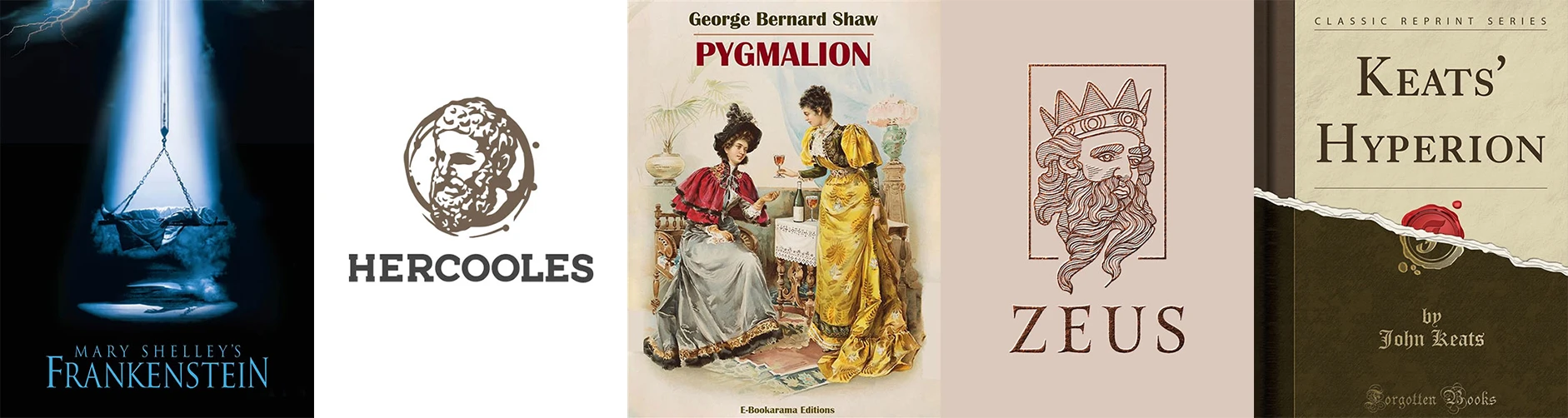
Analysis of Frankenstein by Marry Shelley in Mythology.
Contemporary Literature and Classical Mythology.
16th Session:
Analysis of Pygmalion by George Bernrd Shaw in Mythology.
Contemporary Literature and Classical Mythology.
17th Session:
Analysis of Hyperion by John Keat in Mythology.
Contemporary Literature and Classical Mythology.
18th Session:
Movies and adaptation in Mythology
Contemporary Literature and Classical Mythology.Page | 4
19th Session:
Movies and adaptation in Mythology
Contemporary Literature and Classical Mythology.
20th Session:
Contemporary Literature and Classical Mythology.
Review II.
Required Text:
Hamilton, E. (1998). Mythology. New York: Little, Brown and Company. (Primary)
Secondary:
Bolton, L. (2002). The Everything Classical Mythology Book: Greek and Roman Gods, Goddesses,
Heroes, and Monsters from Ares to Zeus. Avon, MA: Adams Media. (Secondary).
Lurker, M. (2004). The Routledge Dictionary of Gods and Goddesses, Devils and Demons.
London: Routledge.