
Course Description:
This course instructs students in developing, formulating, and articulating a thesis and its accompanying proposal in the field of English studies. Participants will develop a thesis theme, conduct relevant research, build a coherent thesis, and develop a sound research methodology through lectures, discussions, workshops, and peer review. There will be a focus on developing critical analysis skills, academic conventions in writing, and effective presentation of proposals.
Learning Outcomes:
• Learning about the purpose and form of an academic thesis and thesis proposal in the field of English studies.
• Developing and sharpening research questions and hypotheses that enable a deeper level of comprehension of literary studies.
• Making critical evaluations of secondary sources and using theoretical frameworks and methodologies relevant to literature.
• Mastering academic conventions in writing and preparing proposals.
• Creating a persuasive, evidence-based thesis proposal that proves the viability and value of the proposed research.
Research Course: based on 20 sessions.
Session 1: Introduction and Course Overview
• Topics: Course objectives, significance of a thesis, research expectations
• Readings: Excerpts from They Say / I Say by Graff and Birkenstein
• Activities: General outlook on research, introduction to databases (The Craft of Research, pp. 1-15)
• Assignment: Write a 500-word reflection on potential thesis topics
Session 2: Research Topic Identification and Question Formation
• Topics: Brainstorming techniques, evaluating and refining research topics
• Readings: Research Strategies: Finding Your Way Through the Information Fog (excerpts)
• Activities: Online source searching, time management (The Craft of Research, pp. 16-28)
• Workshop: Small-group brainstorming session on chapter 2 (literature review)
Session 3: Conducting a Literature Review
• Topics: Overview of literature review methodologies, evaluating scholarly sources
• Readings: Chapters on literature review from an academic research handbook
• Activities: Prioritizing activities in research (The Craft of Research, pp. 29-39)
• Assignment: Submit an annotated bibliography (5–7 sources)
Session 4: Developing Research Tools
• Topics: Preparing research tools, note-taking strategies
• Readings: Sample literature reviews from literary studies
• Activities: Organizing research efficiently (The Craft of Research, pp. 39-49)
Session 5: Locating Scholarly Sources and Journals
• Topics: Effective database use, finding relevant academic journals
• Readings: Guidelines for evaluating scholarly journals
• Activities: Hands-on database search workshop (The Craft of Research, pp. 51-66)
Session 6: Argument Development and Theoretical Frameworks
• Topics: Developing a strong argument, integrating literary theory
• Readings: Excerpts from Literary Theory: An Introduction
• Activities: Finding and structuring arguments (The Craft of Research, pp. 68-76)
• Assignment: Draft a preliminary methodology section/ theoretical framework chapter (750/3500 words)
Session 7: Structuring a Conference Proposal
• Topics: Proposal structure, crafting a compelling narrative
• Readings: Sample proposals and university guidelines
• Activities: Writing and refining a conference proposal (The Craft of Research, pp. 77-83)
Session 8: Developing Research Questions and Engaging with Sources
• Topics: Formulating critical research questions, scholarly engagement
• Readings: Case studies on research question formation
• Activities: Raise research questions and seek answers through sources
Session 9: Mastering Sources and Topic Refinement
• Topics: Effective source analysis, defining a focused thesis topic
• Readings: Scholarly articles modeling research in literary studies
• Activities: Advanced source engagement techniques (The Craft of Research, pp. 84-101)
Session 10: Structuring a Strong Argument in a Presentation
• Topics: Academic presentations, making persuasive arguments
• Readings: Guidelines for structuring oral and written arguments
• Activities: Preparing presentations (The Craft of Research, pp. 103-114)
Session 11: Bibliographic Research and Citation Management
• Topics: Finding aids, bibliographical description, metadata, provenance
• Readings: MLA, APA, and Chicago citation guidelines
• Activities: Hands-on bibliography organization (The Craft of Research, pp. 115-119)

Session 12: Citation and Referencing Systems
• Topics: Understanding citation styles, avoiding plagiarism
• Readings: Excerpts on academic integrity and citation best practices
• Activities: Citation exercises (The Craft of Research, pp. 120-130)
Session 13: Strengthening Arguments with Evidence
• Topics: Using evidence effectively, logical reasoning in research
• Readings: Analysis of strong argument structures in academic papers
• Activities: Evaluating evidence (The Craft of Research, pp. 131-150)
Session 14: Drafting and Peer Review Strategies
• Topics: Drafting techniques, responding to feedback
• Workshop: In-class peer review session (samples of argumentative chapters and articles)
• Assignment: Revise draft introduction and literature review (1,000 words)
Session 15: Sharing Findings and Academic Communication
• Topics: Academic writing clarity, sharing research effectively
• Readings: Strategies for scholarly communication
• Activities: Structuring research for publication (The Craft of Research, pp. 152-169) Writing conclusion chapter.
Session 16: Preparing a Comprehensive Annotated Bibliography
• Topics: Reviewing sources, annotation techniques. Samples of introductions for theses.
• Readings: Examples of annotated bibliographies
• Activities: Bibliography preparation (The Craft of Research, pp. 171-188)
• Assignment: Submit a comprehensive, annotated bibliography
Session 17: Revising the Proposal and Incorporating Feedback
• Topics: Strategies for revision, improving clarity and coherence
• Workshop: One-on-one feedback sessions
• Assignment: Submit a revised draft of the thesis proposal (up to the methodology section)
Session 18: Preparing for Proposal Defense and Presentation Techniques
• Topics: Public speaking for academics, structuring a defense presentation
• Readings: Articles on academic presentation skills
• Activities: Practice sessions for proposal/thesis defense
Session 19: Proposal Presentations
• Activities: Students deliver oral presentations, receive peer and instructor feedback
• Assignment: Final written thesis proposal submission (3,000–4,000 words)
Session 20: Course Wrap-Up and Future Research Directions
• Topics: Reflections on the research and writing process, planning for thesis completion
• Discussion: Long-term research motivation, graduate studies, and publication strategies
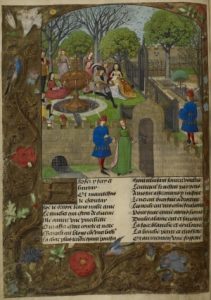
The Lover and Dame Idleness outside the Walled Garden
Sources:
Booth, Wayne C., Gregory G. Colomb, and Joseph M. Williams. The Craft of Research. 4th ed. Chicago: U of Chicago P, 2016. (Required)
Williams, William Proctor, and Craig S. Abbott. An Introduction to Bibliographical and Textual Studies. 4th ed. New York: Modern Language Association, 2009.
Kelsky, Karen. The Professor is In: The Essential Guide to Turning Your PhD into a Job. New York: Three Rivers Press, 2015. Print.
Greetham, D. C., ed. Scholarly Editing: A Guide to Research. New York: Modern Language Association, 2015. Print.
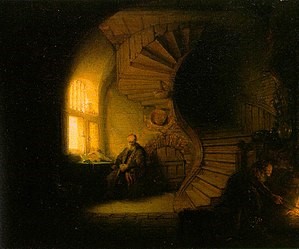
Rembrandt – The Philosopher in Meditation

دکتر علی قادری